Our areas of expertise include enhanced treatment for hypertension and metabolic diseases, accurate kidney
biopsy and interpretation for the best possible patient results, precise dialysis
prescription and monitoring, and skilled CKD management.
- Chronic Kidney Disease (CKD) management
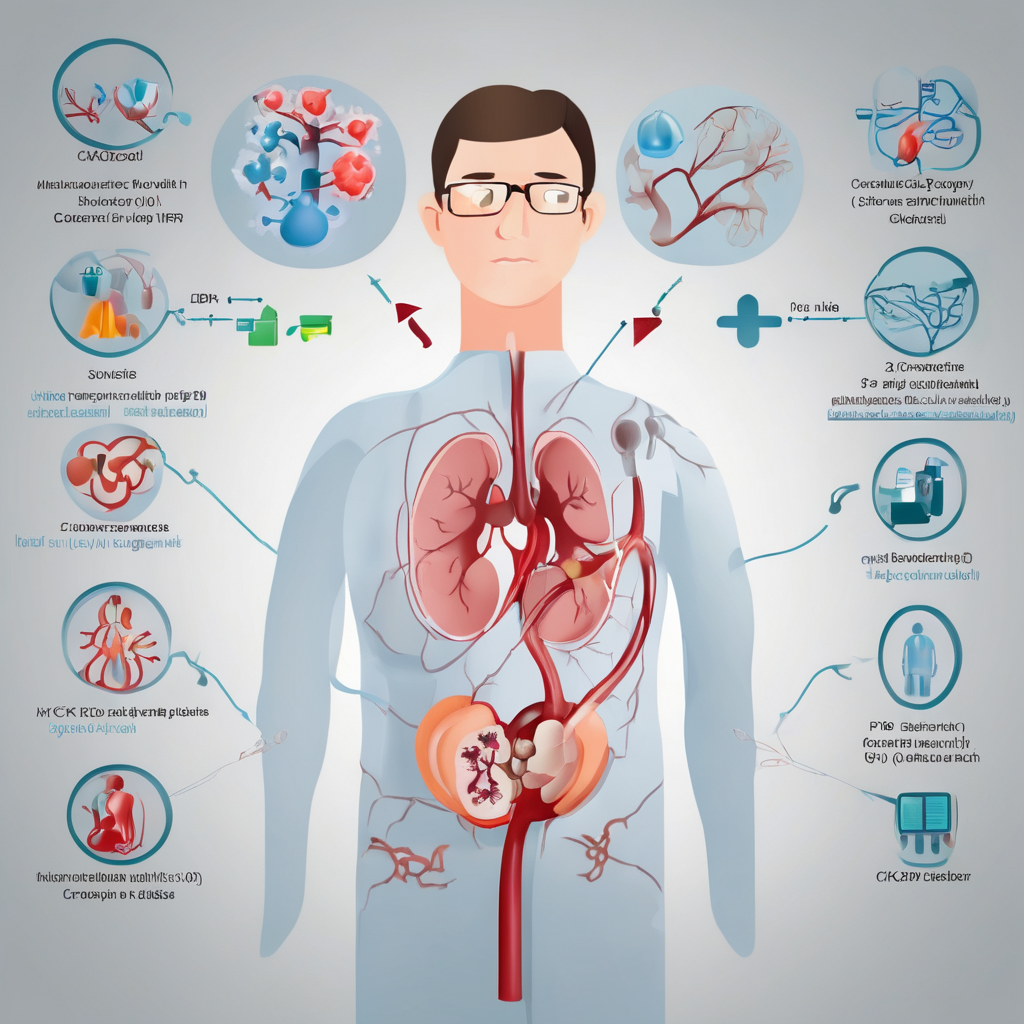
In order to delay the progression of chronic kidney disease (CKD) and preserve kidney function, treatment options include early diagnosis, medication.
READ MORE
Management of Chronic Kidney Disease (CKD): Crucial Treatment Elements
- Early Diagnosis & Monitoring: To identify and monitor the progression of the disease, routine kidney function tests (eGFR, creatinine, urine protein) are necessary.
- Medication management: To preserve renal function, blood pressure and diabetic medications (ACE inhibitors, ARBs) are used.
- Diet and Lifestyle Change: To lessen renal strain, follow a low-sodium, low-protein diet, drink plenty of water, and control your weight.
- Dialysis Planning: In advanced stages of chronic kidney disease, prompt preparation for hemodialysis or peritoneal dialysis.
CLOSE
- Dialysis prescription & monitoring
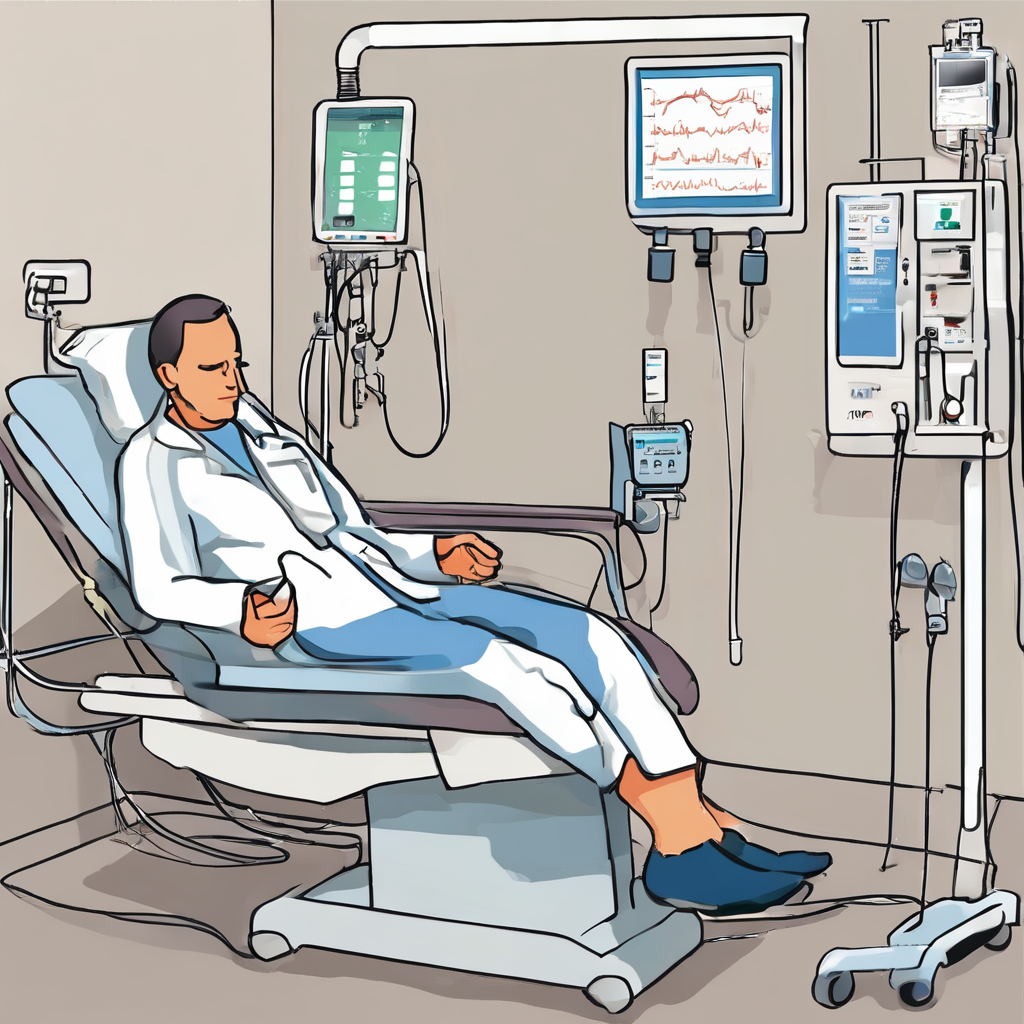
Safe renal care, fluid balance, and individualized treatment are guaranteed by dialysis prescription and monitoring.
READ MORE
Essentials of Dialysis Prescription and Monitoring
- Customized Care: Adjusts dialysis parameters based on the health and renal function of each patient.
- Optimal Fluid Management: Prevents dehydration or overload by maintaining exact fluid balance.
- Toxin Clearance: Assures efficient waste product clearance for better general health.
- For safe results, ongoing monitoring keeps tabs on test results, vital signs, and dialysis effectiveness.
- Comprehensive Care: Combines lifestyle advice, medication, and nutrition for improved renal healing.
CLOSE
- Hypertension and metabolic disorders
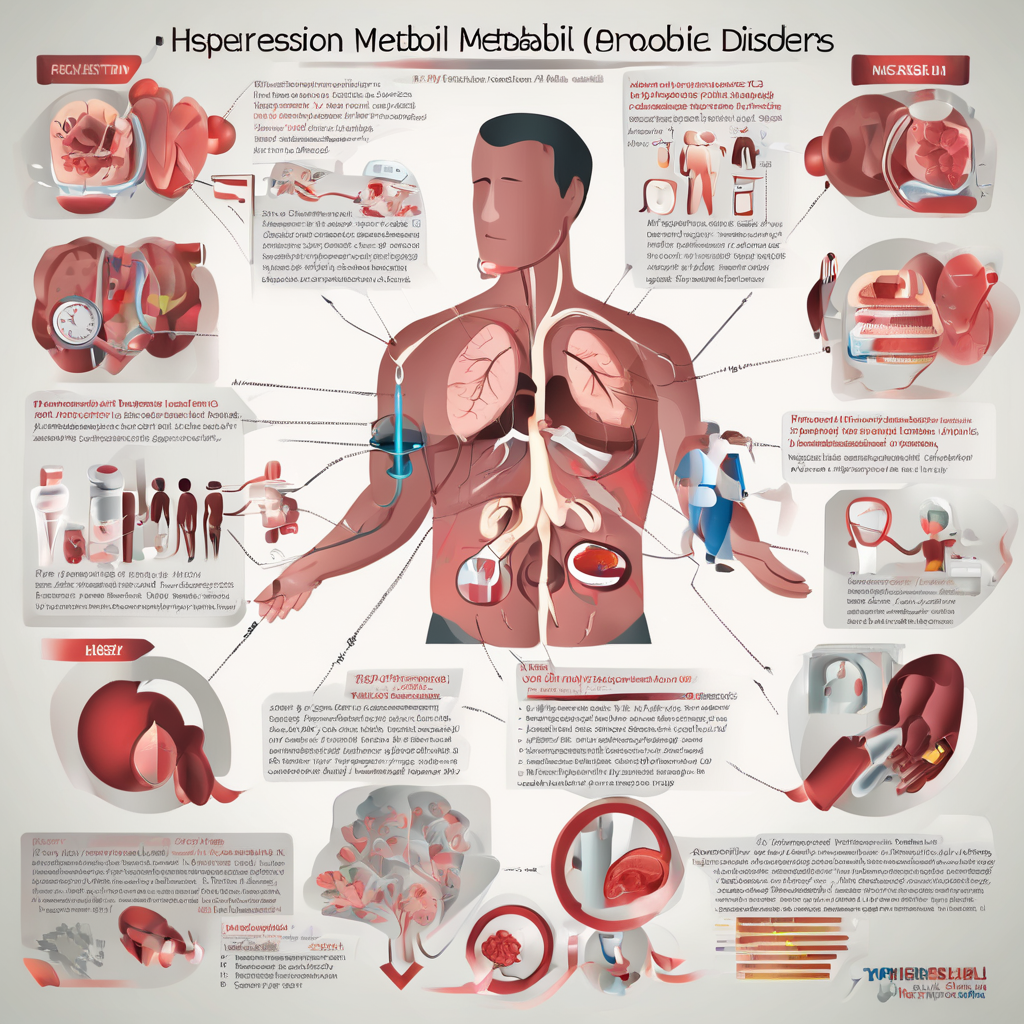
comprehensive treatment for metabolic diseases and hypertension to avoid heart and kidney problems.
READ MORE
Hypertension and metabolic disorders
- Comprehensive Evaluation: For a precise diagnosis, a thorough evaluation of metabolic markers, blood pressure, and renal function is required.
- Personalized Medication Plan: Utilizing lipid-lowering, glucose-control, and antihypertensive medications according to each patient's need.
- Lifestyle Change: For long-term stability, concentrate on weight management, regular exercise, salt limitation, and food control.
- Continuous Monitoring: To guarantee the best possible treatment results, blood pressure, sugar, and cholesterol levels should be regularly checked.
- The Preventive Care Approach lowers the risk of metabolic syndrome, cardiac problems, and renal disease by early detection and treatment
CLOSE
- Kidney biopsy & interpretation
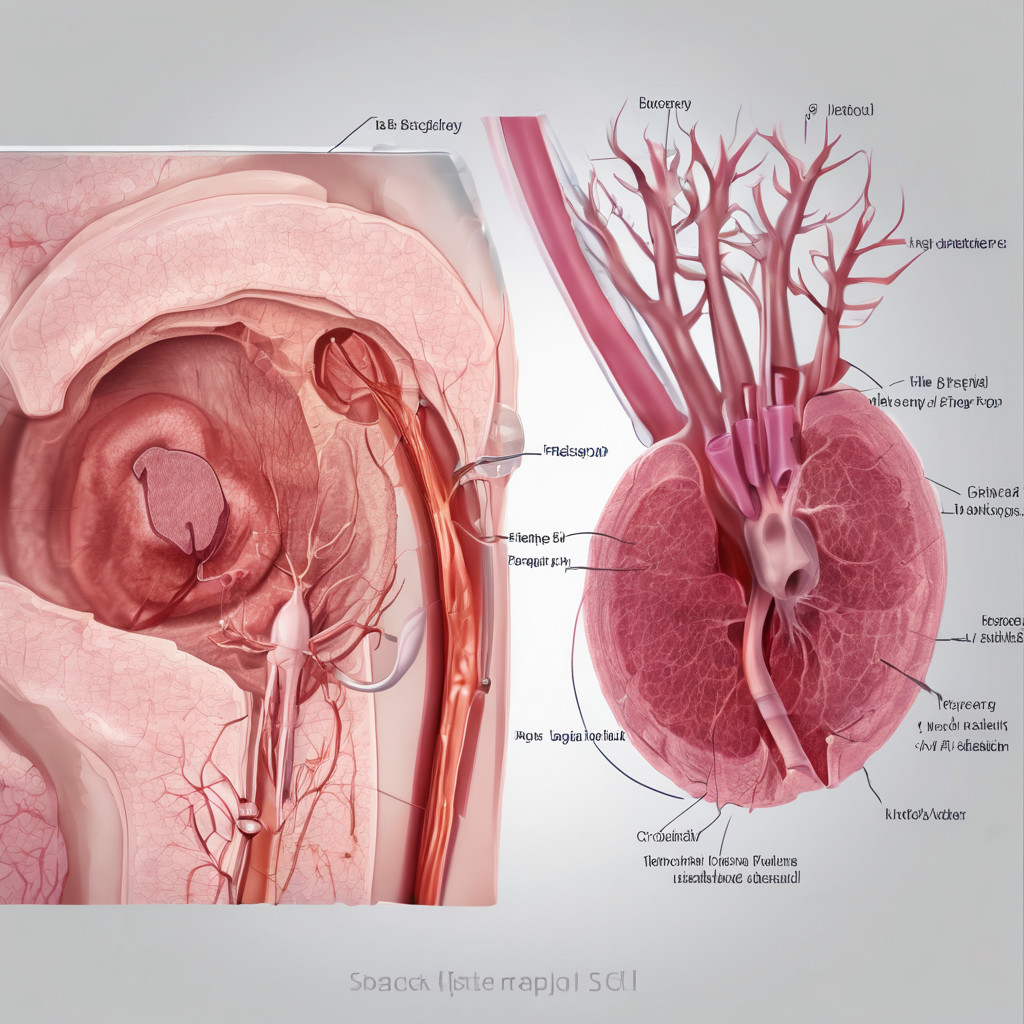
A kidney biopsy is an exacting diagnostic technique in which a tiny sample of kidney tissue is removed for microscopic inspection.
READ MORE
Kidney biopsy & interpretation
- Accurate Diagnosis: A kidney biopsy helps pinpoint the precise cause of kidney disease or failure by offering a tissue-based diagnosis.
- Guided Treatment Planning: Nephrologists can use the findings to customize treatment plans for diseases such as lupus nephritis, glomerulonephritis, and transplant rejection.
- Advanced Microscopic Analysis: To thoroughly assess kidney structure and anomalies, tissue samples are analyzed using light, immunofluorescence, and electron microscopy.
- Prognostic insight: Analyzing biopsy results aids in estimating long-term kidney outcomes and forecasting the course of the disease.
- Expert Correlation: To provide a thorough and precise diagnosis for the best possible patient management, Dr. Vignesh integrates clinical, laboratory, and biopsy results.
CLOSE